
Setting up AI
Your week doesn't change all at once.
The setup goes one task at a time. The AI prepares, you decide, and you keep your grip on the company the whole time.
Setup in practice
How setting up AI goes
FIRST
A free call
We go through how your week goes and which tasks take most of your time. We tell you straight whether your work can be made easier and where it makes sense to start. In a small team we also pick the five or so programs to start from.
BEFORE THE DAY
Information in advance
We tell you what information is needed and ask for the most important of it before the setup day. You don't need to learn AI in advance.
ONE DAY
Setup
The information is brought into one place, and the AI is installed on your company's own computer. The most important programs are up and running the same day. The invoice comes only after the setup day.
AFTER THE DAY
The first week
You get the information you need right away and do your own work better. For the first week you get support by email and phone.
FROM THEN ON
Month by month
Once a month we go through what the system did and what went unused, and fix it. You tell us which tasks you want off your hands next, and we start with the one that takes the most time.
The AI prepares, you decide
Nothing goes out without you
The AI writes replies, reminders and drafts ready for you. You approve, edit or send them back. Automations come only later, and only the ones we agree on together.
EXAMPLE · APPROVED
Reply to a customer's quote request
EXAMPLE · SENT BACK
Payment reminder to a customer
“I'll call them myself first.”
Where the data lives
The system is installed on your own computer, not on our server, and the files stay there. When the AI processes something, it sends it to Anthropic, the company that makes Claude. You decide what the system can access.
The order
First the information in one place, then the work one task at a time
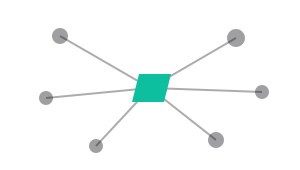
1
Information in one place
First we go through your company's main services, customers and strengths with you. Then the information is brought into one place, so the AI sees the whole picture.
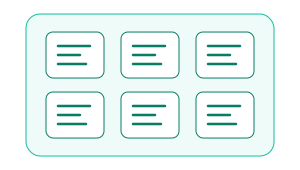
2
First, just better information
You get the information you need right away and do your own work better. At first the AI has no permission to change anything.

3
The work, one task at a time
Only then are the repetitive tasks taken on, one at a time. Piece by piece you get hours back every week, and you can work on growing the company.
The programs your company already uses stay
There's no new program to learn. The information is gathered from the ones you already use, such as these.

Email
Gmail, Outlook

Calendar
Google Calendar, Outlook

Booking
Timma, Vello

Till
SumUp, Zettle

Customer records
Pipedrive, HubSpot

Accounting
Procountor, Netvisor, Fennoa
Questions
We already use ChatGPT. Don't we already have AI?
Not yet. ChatGPT knows only what you tell it about your company, each time separately. That's why its answers stay general. We first bring the company's most important information into one place, and on top of it we build an AI that knows the company and handles the repetitive work one task at a time.
Will I lose my grip on my own company?
No. You keep your grip the whole time, and your week doesn't change all at once. We start with the information, and the repetitive tasks are taken on one at a time. You only need to be ready to stop doing and checking everything yourself.
Does the AI make silly mistakes?
It does, if it doesn't know the company. That's why we start with the company's information, and at the start the AI has no permission to change anything.
Do I need to learn AI myself first?
No. The founder leads the setup personally. If a question goes deep into programming, we come back to it in writing.
Does our data stay with us?
The system is installed on your own computer, not on our server, and the files stay there. When the AI processes something, it sends it to Anthropic, the company that makes Claude. You decide what the system can access, and in your Claude account settings you also decide whether Anthropic may use your conversations to train its models.
What about privacy and the new EU AI Act?
They're two different laws. The AI Act sorts AI systems into levels of risk, and its strict rules for high-risk systems in the sensitive areas it lists apply from 2 December 2027. By our reading Paasi isn't a high-risk system. Data about people falls under a different law, the GDPR, which has applied since 25 May 2018. Every service the system can connect to is written down, and you decide what it connects to.
Book a call
Free, 15 minutes, no commitment. We go through your week, and you find out whether your work can be made easier and what it costs. If this wouldn't help you, we'll say so. You talk with Mario Luna or Deni Haapameri. The button opens a calendar where you pick a time that suits you.